
Best Vinyl Record Player · For sound quality

Best Vinyl Record Player for Sound Quality

The best vinyl record player for sound quality at a sensible price is the Fluance RT81+: an Audio-Technica AT-VM95E elliptical cartridge, adjustable counterweight and anti-skate, and a switchable preamp. Better sound starts at the stylus: an elliptical tip follows the groove more precisely than a conical one, Audio-Technica says, and a properly set tonearm keeps it centered in the groove.

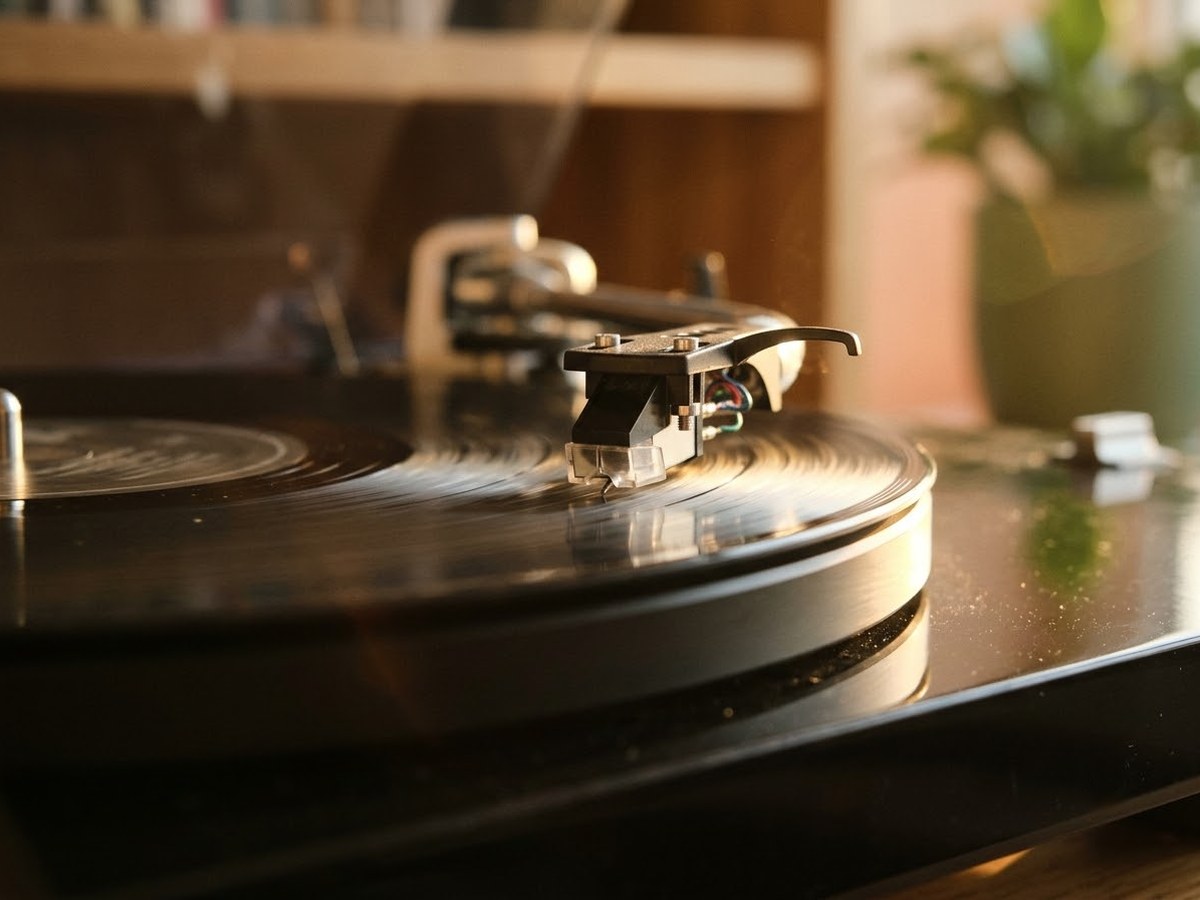
Close view of a stylus in the groove of a spinning record on a gloss-black turntable

Our top 3

Top picks at a glance

Best for sound quality#1
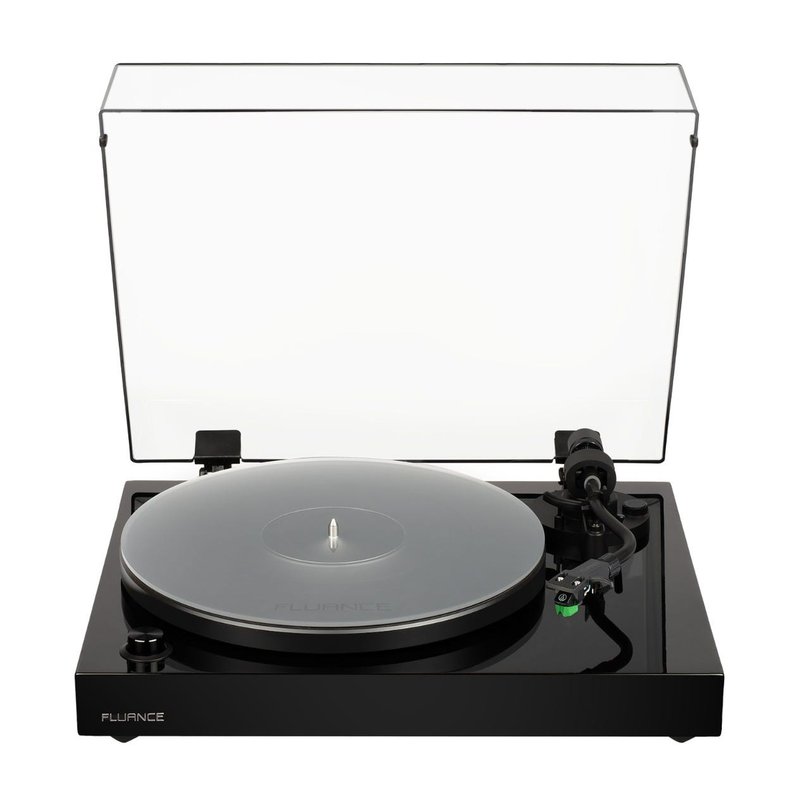
Fluance RT81+ record player

Fluance RT81+

Premium price range

AT-VM95E elliptical cartridge on a removable headshell, adjustable counterweight and anti-skate.

Read reviews ›
Best direct drive#2
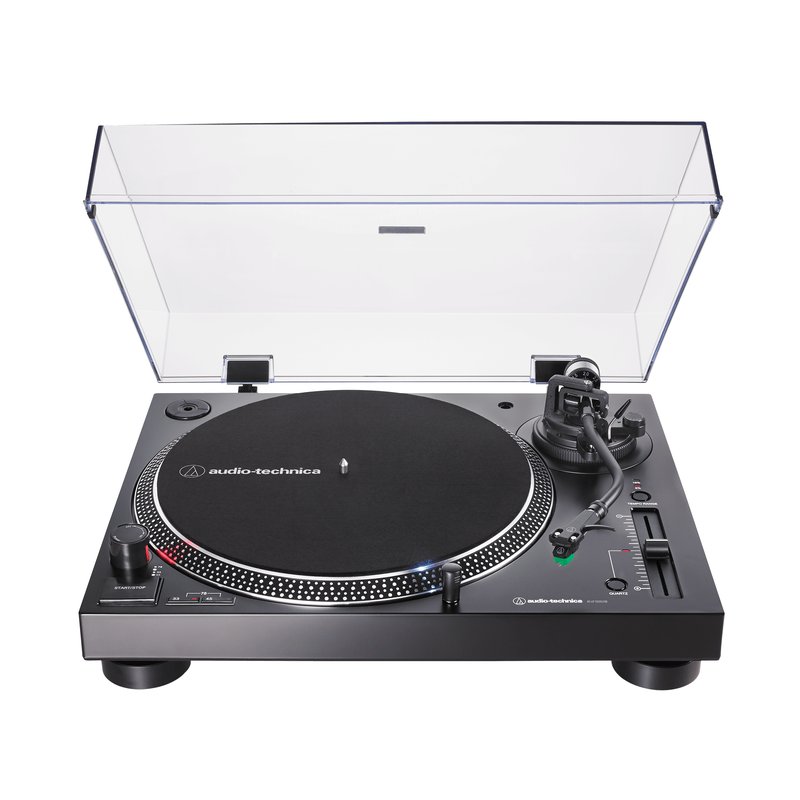
Audio-Technica AT-LP120XUSB record player

Audio-Technica AT-LP120XUSB

Premium price range

Manual direct-drive deck with AT-VM95E, anti-skate, 78 rpm and USB output.

Read reviews ›
Best automatic for sound#3
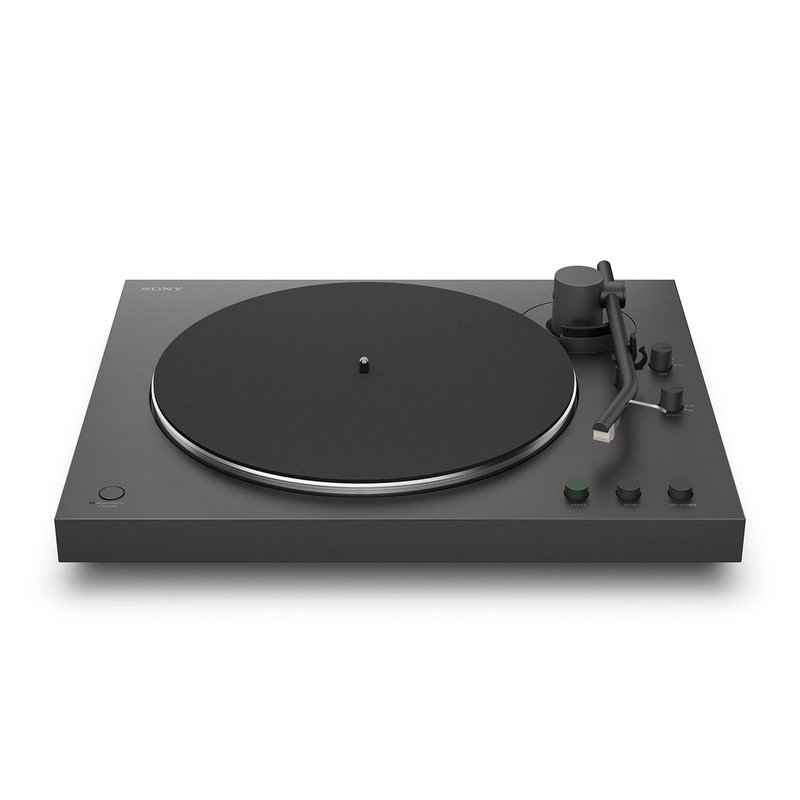
Sony PS-LX3BT record player

Sony PS-LX3BT

Premium price range

Fully automatic with a die-cast platter, three preamp gain settings and aptX Bluetooth.

Read reviews ›

In detail

Who each one suits

Specifications are each brand’s own; fit notes draw on manufacturer guidance and independent reviews. We have not tested or used these record players ourselves.

Best for sound quality#1

Fluance RT81+

If sound quality matters more than one-button convenience, the RT81+ is the step up. It is a manual belt-drive deck with an auto-stop, a proper S-shaped tonearm with adjustable counterweight and anti-skate, an Audio-Technica AT-VM95E elliptical cartridge on a removable headshell, and a switchable preamp. Fluance backs it with a 2-year warranty.

Why it stands out

  • AT-VM95E bonded elliptical cartridge; Audio-Technica rates the VM95E at 1.8 to 2.2 g of tracking force.
  • Adjustable counterweight and anti-skate, removable headshell, and a bubble level in the box.
  • Built-in switchable preamp, so it works with powered speakers now and an external preamp later.
Drive & speedsBelt, manual with auto-stop · 33/45
Preamp / outputsBuilt-in, switchable phono/line
BluetoothNo
SpeakersNone (add powered speakers)
CartridgeAT-VM95E elliptical; adjustable counterweight

Good fit if

  • You are happy to balance a tonearm and set tracking force once, following the manual.
  • You want better sound and an upgrade path without moving to separates prices.

Skip it if

  • You want automatic play or Bluetooth; it has neither.
  • You want a small, light deck: it weighs 14.1 lb.
Best direct drive#2

Audio-Technica AT-LP120XUSB

This is the manual, direct-drive deck people buy when they want to learn the craft: a real counterweight, adjustable anti-skate, a detachable headshell and three speeds including 78 rpm. It also has a USB output for digitizing records and a switchable preamp. The trade-off is weight and effort: it is fully manual and weighs 17.6 lb.

Why it stands out

  • Direct drive with pitch control and quartz lock; 33, 45 and 78 rpm.
  • S-shaped arm with adjustable counterweight, anti-skate and a hydraulic lift; AT-VM95E elliptical cartridge on a detachable headshell.
  • USB output for recording records to a computer, plus a switchable phono preamp.
Drive & speedsDirect drive, manual · 33/45/78
Preamp / outputsBuilt-in, switchable; USB out
BluetoothNo
SpeakersNone (add powered speakers)
CartridgeAT-VM95E elliptical, detachable headshell

Good fit if

  • You want to set tracking force and anti-skate yourself.
  • You want to digitize records or try DJ-style pitch control.
  • You own some 78s and are prepared to buy a 78 stylus for them.

Skip it if

  • You want one-button automatic play.
  • You want Bluetooth; it has none.

Playing shellac 78s needs the right stylus as well as the right speed. Audio-Technica warns that an LP stylus damages both shellac records and the cartridge, and recommends a 3 mil 78 stylus.

Best automatic for sound#3

Sony PS-LX3BT

The PS-LX3BT is Sony’s current automatic Bluetooth turntable, the replacement for the PS-LX310BT. Sony’s spec page lists SBC, aptX and aptX Adaptive (its support article mentions SBC and aptX), a switchable preamp with three gain settings and a die-cast aluminum platter.

Why it stands out

  • Fully automatic operation from a mainstream brand.
  • Bluetooth with aptX Adaptive, aptX and SBC (Sony’s spec).
  • Switchable preamp with three gain settings so you can match it to your speakers.
Drive & speedsBelt, fully automatic · 33/45
Preamp / outputsBuilt-in, switchable; 3 gain levels
BluetoothOut · SBC, aptX; spec page adds aptX Adaptive
SpeakersNone (add powered speakers)
CartridgeMM, fixed headshell

Good fit if

  • You want automatic play and the newest codec support from a big brand.
  • You will mostly listen wirelessly but want a wired option.

Skip it if

  • You want an upgradeable cartridge; the headshell is not exchangeable.
  • You need USB recording; retailer listings conflict on whether it has a USB output, so do not count on one.
Also worth a look

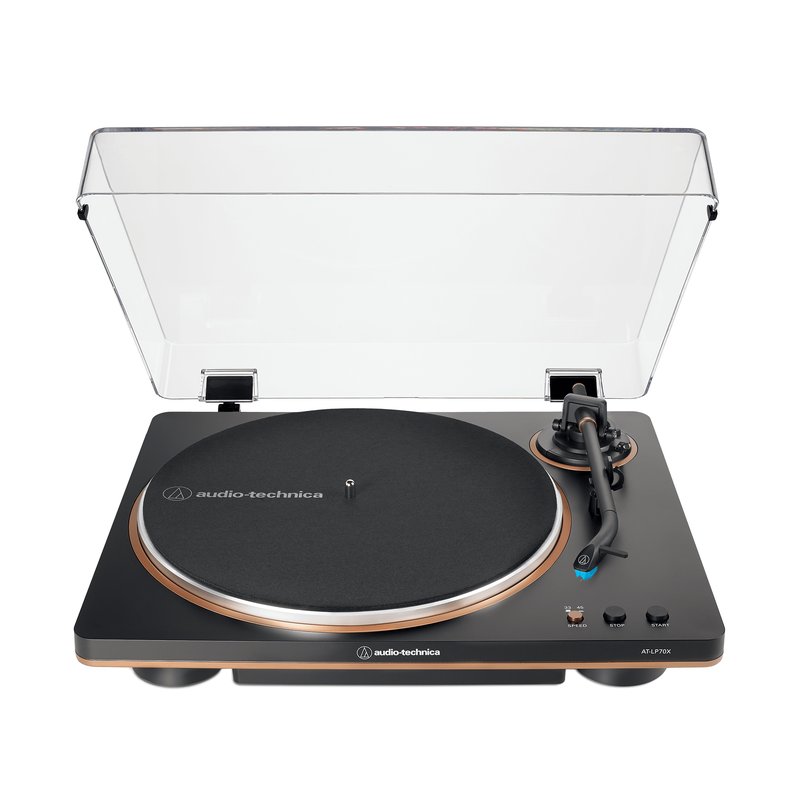
Audio-Technica AT-LP70X

The AT-LP70X is the AT-LP70XBT without Bluetooth. You get the same fully automatic operation, switchable preamp and AT-VM95C cartridge with its upgradeable stylus, for less money. If your records will always go through wired speakers, this is the smarter buy.

Why it stands out

  • Fully automatic belt-drive deck.
  • Switchable built-in preamp for powered speakers, receivers and Sonos line-in.
  • AT-VM95C cartridge; the stylus can be replaced with other VM95-series styli.
Drive & speedsBelt, fully automatic · 33/45
Preamp / outputsBuilt-in, switchable phono/line
BluetoothNo
SpeakersNone (add powered speakers)
CartridgeAT-VM95C; accepts other VM95 styli

Good fit if

  • You will listen through powered speakers or a stereo, never Bluetooth.
  • You want room to improve the sound with a better stylus later.

Skip it if

  • You want to stream to wireless speakers or headphones; get the AT-LP70XBT.

Ready for a proper turntable?

A better cartridge and an adjustable tonearm make the biggest difference you can buy at this level.

Read buyer reviews ›

Tips

Three things that make the difference

01

Elliptical over conical

Audio-Technica says an elliptical stylus tracks groove modulations more precisely than a conical one, improving frequency response. The AT-VM95E is a 0.3 x 0.7 mil elliptical.

02

Set tracking force properly

Balance the arm, zero the gauge and dial in the cartridge maker’s force; Audio-Technica rates the VM95E at 1.8 to 2.2 g.

03

Mind the preamp

What Hi-Fi suggests an external phono stage if a deck’s built-in one is weak. A switchable preamp lets you add one later.

Honest note

Sound quality also depends on your speakers, room and records. A better turntable will not fix worn or dirty records, and Audio-Technica reminds owners that cleaning is not a cure-all. Manual decks need correct setup to sound their best.

FAQ

Questions people ask

What makes a turntable sound better?

The cartridge and stylus, correct tracking force and anti-skate, and isolation from vibration. Audio-Technica says proper anti-skate keeps the stylus centered for balanced channels and lower distortion, and an elliptical tip tracks more precisely than a conical one.

Is direct drive or belt drive better for sound?

Both can sound good. Crutchfield says belt drive isolates the platter from motor vibration but can show tiny speed variations, while direct drive offers steady speed with minimal wow and flutter but motor noise may reach the stylus.

Do I need an external phono preamp?

Not to start. All three picks have built-in switchable preamps. What Hi-Fi suggests an upgrade if a deck’s built-in phono stage is weak; Audio-Technica’s own AT-PEQ3 launched at a suggested $119.

What is the AT-VM95E?

An Audio-Technica dual-moving-magnet cartridge with a 0.3 x 0.7 mil elliptical stylus, rated at 1.8 to 2.2 g of tracking force and 4.0 mV output. Its replacement stylus is the AT-VMN95E, and other VM95 styli fit the same body.

Is moving coil better than moving magnet?

Crutchfield says moving-coil cartridges have lower moving mass and can reveal more detail, but traditionally produce lower output than moving-magnet designs, which affects the preamp you need. The decks here ship with moving-magnet cartridges.

How do I set tracking force?

Audio-Technica’s method: float the tonearm level with the counterweight, set the gauge ring to zero without moving the weight, then turn the whole counterweight to the cartridge’s recommended force. Set anti-skate to the same value as a starting point.

Hear more of what is already in the groove

Want the full picture? See all our best vinyl record player, compared by setup, and the FAQ on preamps, styli and record care.